Recovery · Questions before you begin
What to Expect from a Sex Addiction Therapy Consultation
Reaching out can feel difficult when the subject is something you have kept private. You might be worried about being judged, unsure whether the word “addiction” fits, or wondering how to explain what is happening.
You do not need to solve any of that before contacting me. The first conversation is a chance to ask questions and see whether working together might make sense.
What is the first conversation for?
I offer a free, 15-minute consultation. We can briefly discuss what brings you here, what kind of help you are looking for, and my availability. You can ask about my approach, the different services, and the practical details of starting.
This introduction is separate from a full therapy session. Fifteen minutes is not enough for a complete assessment, diagnosis, or treatment plan. If we decide to continue, we’ll discuss the next steps for beginning care.
What do I need to say?
A short description is enough to begin. For example: “I keep going back to behavior I want to change,” “My partner found something and we need help,” or “I’m interested in a group, but I’m nervous about joining.” These are examples of ways to start, not accounts from clients.
You can tell me what is most important for me to understand and ask how we would explore it in therapy. There is no need to prepare a detailed sexual history for the introductory call.
On the contact form, choose the service you are considering and share a brief concern if you want to. Please leave sensitive details for our conversation.
Do I need to call myself an addict?
No. We can begin with your concerns and goals. People use “sex addiction” and “porn addiction” to describe different experiences; the label alone does not tell us what care someone needs.
A high sex drive or pornography use by itself does not establish a disorder. Clinical assessment considers persistent difficulty controlling behavior and its impact on daily functioning. Distress based only on moral disapproval is not sufficient to establish compulsive sexual behavior disorder. You can read more in this clinical explanation of the ICD-11 guidelines.
You can still ask for help with habits, choices, relationships, or values that concern you. We do not have to settle on a label during the consultation.
Questions you are welcome to ask me
- How would you approach the concerns I’m describing?
- Would individual therapy, group therapy, or an intensive be worth considering?
- What are the fees and session lengths?
- How do online sessions work, and what do I need to arrange?
- How would we decide on goals and review progress?
- What should I understand about privacy and its limits before starting?
We may not cover everything in one short call. Start with what would help you decide on a next step.
Practical details about my practice
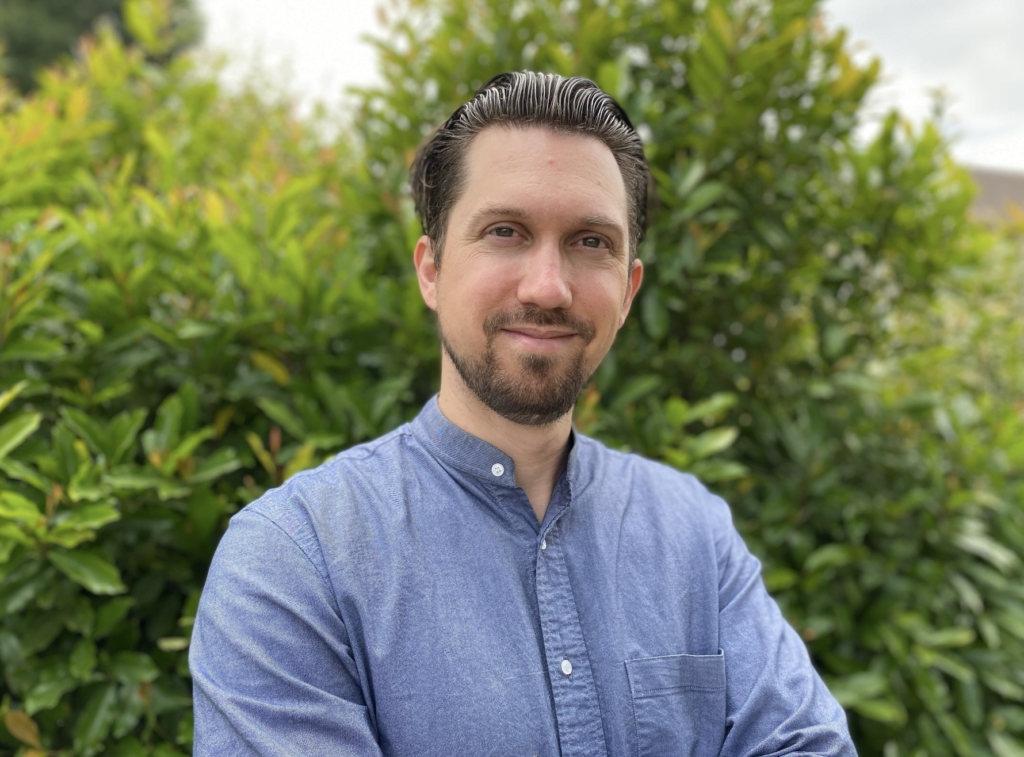
I’m Benjamin Raskin, a Licensed Marriage and Family Therapist in California, LMFT #165600, and CSAT-C (CSAT Candidate), nearing completion of specialty certification. You can read what my CSAT-C status means and learn more about me.
I provide online therapy for eligible clients physically located in California. Individual and couples sessions are $200 for 45 minutes. The practice is private pay. The fees and contact page includes additional payment and cancellation information.
My individual recovery work is with the person seeking help for their own sexual behavior. I also offer couples therapy, men’s recovery groups, and intensives. I do not offer standalone individual therapy for betrayed partners.
What happens afterward?
If the fit seems right, we can discuss scheduling and the information needed before a first session. If another service or provider would better fit your needs, we can talk about that too. Asking questions does not commit you to ongoing therapy.
When you’re ready, request a free, 15-minute consultation. You can come with uncertainty. That is a reasonable place to start.
Start with a conversation.
Ask your questions, talk about what brings you here, and see whether working together feels right.