Therapy For Couples In Recovery
Couples therapy for addiction and betrayal recovery. Rebuild trust, develop intimacy, and heal together with structured, evidence-based support.
Rebuild connection after betrayal
The Couples Recovery Process (7 Stages)
1
Crisis Management
Assist the couple in stabilization after betrayal. Assessing the current needs of the couple and linking them to the right support system. Establish a recovery check-in and provide psychoeducation about teh recovery process.
2
Honesty - Sharing “What” Happened
Assist the couple in communication exercises to develop emotional honesty to create safety, and start to rebuild trust in the relationship as a precursor to developing emotional intimacy. Oversee the development of a full therapeutic disclosure.
3
Insight
Once the FTD step is complete, the couple will begin the deep work to understand the reasons WHY the acting-out partner chose the harmful behaviors in the first place. These are first uncovered in individual therapy by the acting-out partner but then processed as a couple in couples therapy.
4
Empathy & Compassion
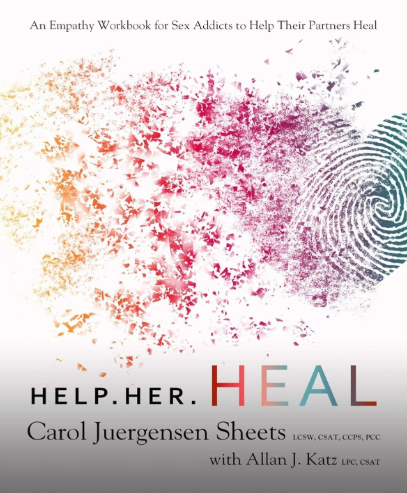
Both partners must understand how trauma may be impacting both partners. In couples therapy, we will learn how to create a safe place for pain to be expressed without blame and attack. An Impact Letter will be prepared which captures the depth of the pain experienced by the betrayed partner. We will learn how to comfort the pain so that discussing the betrayal will become a bonding opportunity. Every session, we will have opportunities to practice empathy in the safety of the therapy setting.
5
Restitution
The acting out partner sets forth concrete steps to address his or her coping mechanism. It will also include an understanding how intimacy has been blocked in the acting-out partner’s life and new ways of providing healthy connection. The couple’s plan ultimately represents a combination of the offending partner’s recovery plan plus any changes the couple needs to make given all that they have learned. All of this work will be captured in a Restitution Letter. The acting-out partner’s commitment to the plan can represent restitution for the deep wounds inflicted prior to recovery.
6
Decision
One of the biggest triggers for men in recovery is hearing their partners say “We never had a real marriage. Our marriage is dead.” Moreover, even after all the recovery work and restitution work the betrayed partner may struggle to fully commit to this new marriage. This is an incredibly vulnerable moment for the both of you. On the addicts side, it can be vulnerable to feel in a one down position for a long period and to imagine the rest of your life and relationship being that way. On the betrayed partner’s side, she never wants to feel betrayed again and can’t imagine going through the experience again. By working through the earlier stages of recovery, the couple will get to a fork in the road where they can make a conscious choice to lead a different life based on a different foundation.
7
Rebirth
When and if a couple has recommitted to the relationship, foundational couples therapy will begin. This work allows the couple to focus on intimacy (first emotional and eventually sexual) in their relationship. The restoration of intimacy in the couple’s relationship can be a critical part in the addict’s healing journey.
With dedication to this process and an experienced therapy support team, the cycle of porn/sexual addiction can be broken and a journey of healing for the couple can gradually take place.

What is betrayal recovery?
Couples in Recovery from Sex Addiction with Stefanie Carnes
Stefanie Carnes, PhD
Why work with Ben?
Specialized Expertise in Betrayal Recovery
Ben has focused training in helping couples navigate the complex emotional landscape after betrayal. He understands the unique challenges of trust repair, emotional trauma, and relational disconnection that occur when infidelity or broken promises disrupt a relationship.
Safe, Non-Judgmental Space
Clients consistently report that Ben creates a supportive environment where both partners can express their emotions honestly. This safe space is crucial for addressing hurt, anger, and shame without escalating conflict.
Evidence-Based Approaches
Ben integrates research-backed methods, including attachment theory and trauma-informed practices, to help couples understand underlying patterns, repair attachment injuries, and rebuild trust in measurable ways.